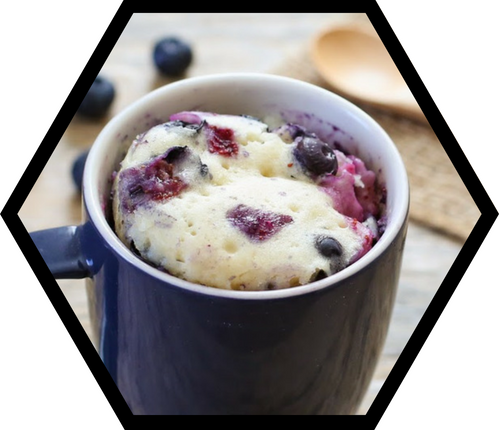
Who can say no to a cake made with ingredients you can feel good about? This Oatmeal Honey Mug Cake does wonders for a sweet tooth that just needs to be satisfied. This sweet and simple recipe doubles as an excellent breakfast option for the next time you need a morning meal on the go!
📷: polkacafe.com
Comments will be approved before showing up.

While both come from the same hardworking honeybees, the differences in processing, scent, and color can drastically change the outcome of your project. In this guide, we’ll break down the pros and cons of yellow beeswax vs. white beeswax so you can choose the perfect match for your needs.

Unlike regular honey, raw honey is not exposed to high heat or heavy filtration, which helps preserve its nutritional value and health benefits. It may also contain bee pollen and propolis, which further enhance its medicinal properties.

Natural wellness solutions are gaining popularity as more people look for ways to support their health using ingredients from nature. One bee product that has recently gained attention in the health world is bee propolis. Known as the hive’s natural defense system, propolis has been used for centuries for its protective and wellness-supporting properties.
But what is bee propolis, and why are so many people adding it to their daily wellness routine?